
Danesh
Acne
Care
Protocol
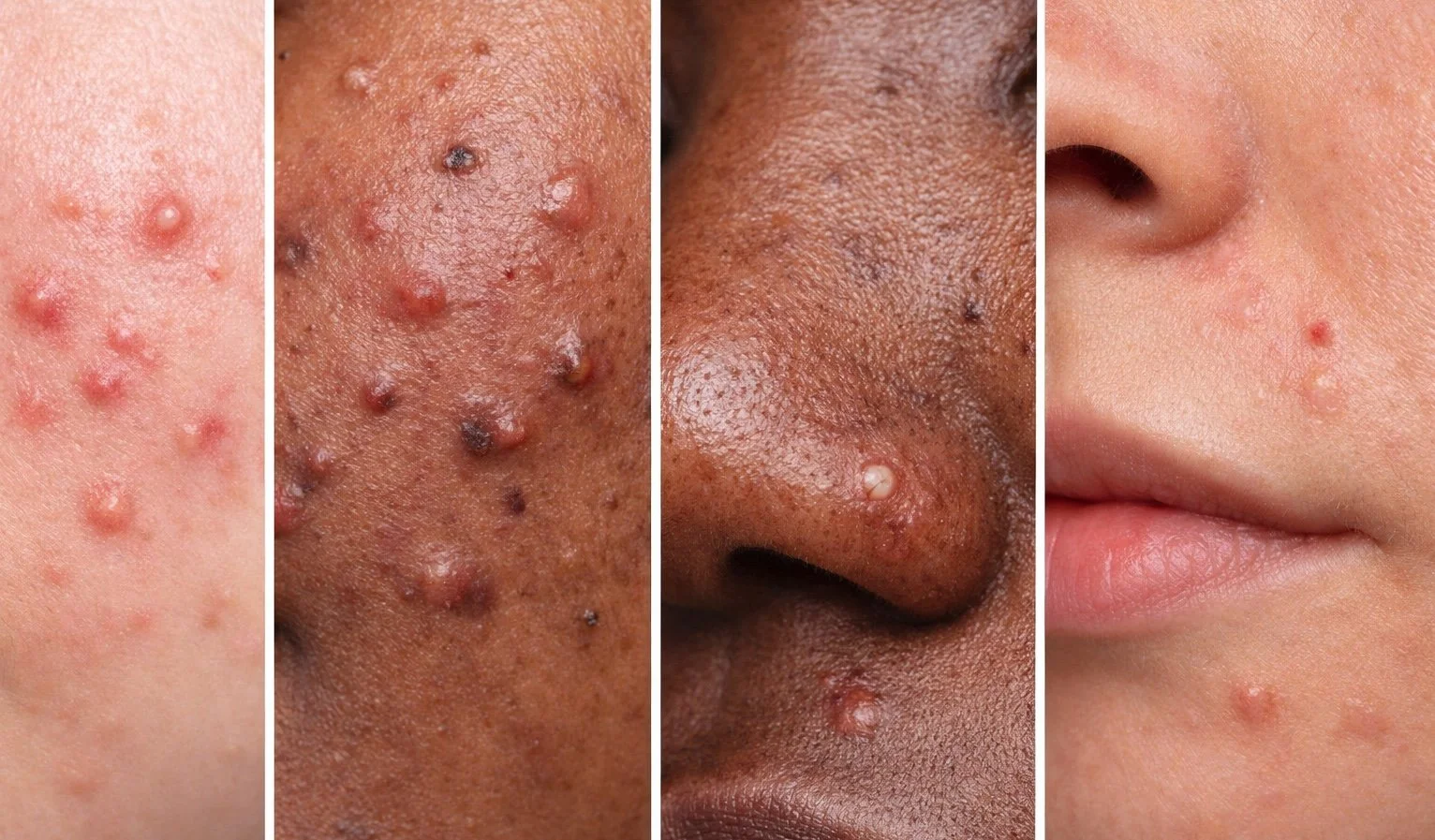
The Danesh Acne Care Protocol is a physician-guided approach to acne care, designed to progress from over-the-counter treatments to prescription and advanced therapies as needed.
We use a step-by-step approach to acne care that starts with the simplest, gentlest options and only moves to stronger treatments when needed. This allows us to clear acne effectively while keeping the skin healthy, balanced, and comfortable.
This protocol outlines the general framework we use at Danesh Dermatology. We will personalize every treatment plan based on your skin, lifestyle, and goals.
Step 1: Healthy Skin Foundation & Lifestyle Changes
Clear skin begins with good skin care.
Gentle cleanser morning and night
Oil-free moisturizer
Daily sunscreen (SPF 30 or higher)
These steps protect the skin barrier and help acne treatments work better.
Step 2: Over-the-Counter Treatments
For mild acne or early breakouts.
Salicylic acid (such as Stridex pads) helps keep pores clear and reduce oil.
Adapalene (a vitamin A–based treatment) acts to prevent clogged pores and future breakouts.
Benzoyl peroxide targets acne-causing bacteria.
Most people see improvement after 8-12 weeks of consistent use.
Step 3: Prescription Topical Treatments
For ongoing or moderate acne,
Prescription-strength retinoids (such as tretinoin or prescription-strength adapalene) help prevent clogged pores, calm inflammation, and improve skin texture over time.
Prescription creams (such as Clindamycin or Cabtreo) reduce inflammation and bacteria help decrease redness and active breakouts.
Targeted treatments (such as azelaic acid) for dark marks and uneven tone help fade red or brown spots left behind after acne while continuing to prevent new breakouts.
These medications are chosen carefully and introduced gradually to match your skin type, sensitivity, and treatment goals.
Step 4: Oral Medications
For more widespread or stubborn acne.
Short courses of oral antibiotics (such as doxycycline or minocycline) help calm inflammation and reduce acne-causing bacteria during more active flares.
Hormonal treatments (such as spironolactone) are used when acne is driven by hormonal patterns.
These treatments are used for defined periods of time and are paired with topical medications to maintain results and reduce the risk of recurrence.
Step 5: Isotretinoin (Accutane)
For severe, scarring, or treatment-resistant acne.
Isotretinoin is an oral medication that significantly reduces oil production, prevents clogged pores, decreases acne-causing bacteria, and calms inflammation. A typical isotretinoin course lasts about 5 to 6 months, but varies by patient.
It is used when other treatments have not provided adequate control or when acne is causing scarring.
This treatment is carefully monitored by your dermatologist, follows strict safety guidelines, and is prescribed only when it is the most appropriate option. Our practice has extensive experience guiding patients through the iPLEDGE program required for isotretinoin (Accutane) treatment. For many patients, it can lead to long-lasting acne clearance.
Goals of the Danesh Acne Care Protocol
The Danesh Acne Care Protocol is built on a stepwise approach to acne treatment, starting with the simplest, evidence-based options and escalating only when needed. Every plan is carefully personalized, recognizing that acne is never one-size-fits-all and that skin type, lifestyle, and other root causes matter. Our goal is to provide clearer and healthier skin that remains balanced over time.
Contact our office to setup an appointment a develop a plan for your individualized acne care protocol.
Acne
Scarring
Acne scarring reflects changes in the skin after inflammation, and our approach focuses on restoring skin texture and tone through personalized, physician-guided treatments.
Acne scarring occurs when inflammation from breakouts disrupts normal skin healing, leading to changes in texture and tone that can persist even after acne is controlled. At Danesh Dermatology, acne scar treatment is approached with an emphasis on long-term skin health. After the acne is controlled, treatment plans are customized based on scar type, skin type, and individual goals. Combination approaches are often used to achieve the most meaningful and natural-looking improvement.
Acne care is individualized for each patient’s needs. Please contact our office to learn more about what is right for you. The information of our protocol is a general framework and is provided for educational purposes only. It is not medical advice. Acne treatment decisions are unique for each patient and require evaluation by a qualified healthcare professional.